IBEW
Join Us

Sign up for the lastest information from the IBEW!

Related ArticlesRelated Articles

Visit Our Media Department

Print This Page       Text Size:
News Publications

National Security Personnel System Ends after Eight-Year Battle


January 18, 2012

photo placeholder
 

Death came softly for the National Security Personnel System, a controversial program instituted during the administration of President George W. Bush that once covered thousands of workers at the Department of Defense, including 12,000 IBEW members.


A brief entry in the Federal Register, the daily journal of the U.S. government, stated that the NSPS, which denied basic collective bargaining rights and civil service rights to workers and initiated an eight-year battle between unions and government officials, would “cease to be effective on January 1, 2012.” 

In 2008, during his campaign, President Barack Obama told federal sector union members:

I want to assure you that if I am elected President, I will substantially revise these NSPS regulations, and strongly consider a complete repeal.

While Congress removed funding for NSPS from the National Defense Authorization Act of 2010 two years ago, the Federal Register’s report marks the formal end of a program that watered down seniority rules by placing authority over pay raises in the exclusive hands of supervisors.

In 2009, IBEW Government Department Director Chico McGill thanked Rep. Carol Shea-Porter (D-N.H.), who helped write the legislation that eliminated the program. Porter was defeated in her re-election campaign during the Republican Party’s 2010 midterm election sweep.

Says McGill:

NSPS was the proposal of the Heritage Foundation, a right-wing think tank. They and the politicians they influence tried to spread the ridiculous notion that honoring the collective bargaining rights of workers at the Department of Defense would undermine our national security. Our members were well served by local union leaders and IBEW Metal Trades representatives who spent long hours testifying and organizing to defeat the NSPS.

McGill says the struggle over the NSPS is similar to current ones being waged over collective bargaining. Persistence pays off, he says. McGill says it has never been more important to work to elect leaders who respect the role of organized labor in all segments of our nation’s economic life.  He says:

We thank the Obama administration for listening to the voices of men and women who proudly protect both our nation and their rights as workers.

Don Bongo, executive board member, Honolulu, Hawaii, Local 1186 and president of the Metal Trades Council at Joint Base Pearl Harbor says:

NSPS was an attack on federal workers, especially military veterans. Now Republicans in Congress are trying out new flavors, putting in new bills targeting our work force. The federal coalition that challenged NSPS is a great example of how unions can band together. A lot of people thought we would lose, but we fought a good fight and we continue to.


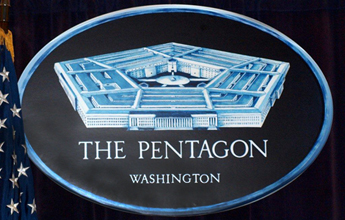
Photo used under a Creative Commons license from Flickr user cayayofm.