Report: Weak Economy, Not Public Workers, to Blame for States’ Financial Woes
October 14, 2011
The campaign to blame public workers and their unions for growing state and local deficits and forcing draconian cutbacks and spiraling debt is misplaced, a new report finds.
But a report from the University of California Berkeley Labor Center finds that the growing state budget squeeze is mainly the result of the bursting of the housing bubble and the ensuing decline in real estate prices – not public sector wages and benefits, which, on the whole, do not exceed those in the private sector. Say report authors Sylvia Allegretto, Ken Jacobs and Laurel Lucia:
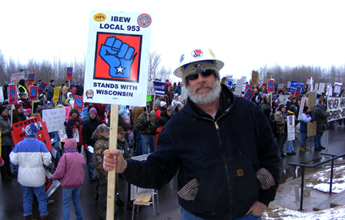
From Ohio to Florida, right-leaning elected officials have used the economic crisis as an excuse to go after basic workplace rights for teachers, public safety officers and other workers on the state payroll – most prominently in Wisconsin where Gov. Scott Walker pushed a sweeping bill that stripped collective bargaining rights for nearly all public workers last year. But the report – The Wrong Target: Public Sector Unions and State Budget Deficits – finds that strong public sector unions do not add up to higher deficits or bloated pay and compensation packages:
The most important factor in getting states’ budgets back in the black is new job creation and resolving the housing crisis, say Allegretto, Jacobs and Lucia:
Read the whole report here.
|